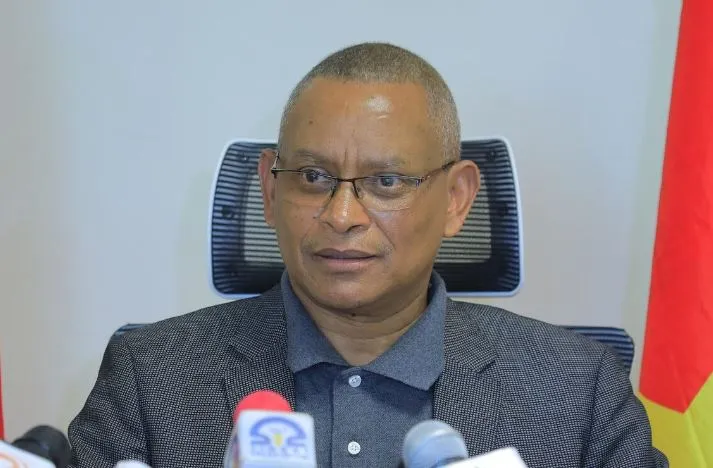
The Tigray People’s Liberation Front (TPLF) has formally warned international partners that the risk of a “catastrophic conflict” in northern Ethiopia is no longer hypothetical, declaring that the 2022 Pretoria Peace Agreement is more seriously threatened than ever before. The TPLF accuses the Ethiopian federal government under Prime Minister Abiy Ahmed of systematically violating and undermining the peace accord. This has resulted in severe political fractures, troop build-ups along internal borders, and widespread fears that the region is on the brink of returning to an all-out civil war.
Key Drivers of the Escalating Tensions
The unraveling of the peace process stems from several overlapping political and military flashpoints:
- Reinstatement of the Pre-War Government: In a major act of defiance, the TPLF central committee voted to reinstate its pre-war regional legislative council and administration. The TPLF argues this takes back rightful regional governance. However, the federal government and internal critics view it as a direct challenge to the post-war interim structure established in Pretoria.
- The Interim Administration Dispute: Relations hit a breaking point after the federal government unilaterally extended the mandate of Tigray’s interim administration and reappointed its head, Tadesse Werede, without consulting the TPLF leadership. The TPLF condemned the move as a violation of the rule requiring political dialogue
- Unfulfilled Pretoria Commitments: The TPLF maintains that the federal government is making the agreement “meaningless”. They point to the ongoing occupation of Tigrayan territories by neighboring Amhara and Eritrean forces, the obstruction of nearly one million internally displaced persons (IDPs) attempting to return home, and the withholding of regional civil servant salaries. [1, 2, 3, 4]
- Military Mobilization: Heavy troop build-ups have been reported, with the Ethiopian National Defence Forces (ENDF) and Tigrayan forces positioned face-to-face along internal borders. Reports from human rights groups also indicate that widespread forced conscription campaigns have begun inside Tigray as both sides prepare for potential hostilities. [1, 2]
- International and Internal Reaction
- The international community, including the United States, the United Kingdom, the European Union, and the African Union, has expressed deep alarm, calling for immediate de-escalation and urging both parties to return to the negotiating table. [1, 2, 3]
- Internally, alternative political factions like the Tigray Independence Party have urged “strategic neutrality,” criticizing both the TPLF leadership and federal authorities for escalating a war of words that risks turning the war-torn province into a proxy battleground once again. [1]
- Humanitarian groups warn that any renewal of conflict would be devastating for Tigray, where over 80% of the population remains heavily dependent on emergency aid amid ongoing food shortages and fractured infrastructure. [1, 2]
- AI can make mistakes, so double-check responses
- 14 sites
- Power Struggle in Ethiopia’s Tigray: Averting a Return to WarMay 15, 2026 — TPLF leaders increasingly saw Tadesse as unwilling to push their agenda. * The TPLF’s attempt to reassert its
